Mark 7
1 The Pharisees and religious leaders who had come down from Jerusalem to meet Jesus
Orduan bil citecen harengana Phariseuac, eta Ierusalemetic ethorri içan ciraden Scriba batzu.
2 noticed that some of his disciples ate with “unclean” (meaning unwashed) hands.
Eta hec ikussi çutenean haren discipuluetaric batzuc escu communez (erran nahi baita, ikuci gabéz) iaten çutela oguia, arrangura citecen.
3 (The Pharisees and all Jews don't eat until they wash their hands, following the tradition of their ancestors.
Ecen Phariseuéc eta Iudu guciéc, maiz escuac ikuciric baicen, eztute iaten, aitzinecoen ordenançác eduquiten dituztela.
4 In the same way, they don't eat when they return from the market until they have had a wash. They observe many other rituals, like the washing of cups, pots, and pans.)
Eta merkatutic itzultzen, diradenean, ikuciac ezpadirade, eztuté iaten. Anhitz berce gauçaric-ere bada beguiratzeco hartu dutenic, nola baitirade goporrén ikutzeac, eta cubenac, eta cobrezco vncienac, eta ohenac.
5 So the Pharisees and religious leaders asked Jesus, “Why don't your disciples follow the tradition of our ancestors? They eat food with unclean hands.”
Guero interrogatzen dute Phariseuéc eta Scribéc, Cergatic hire discipuluac eztabiltza aitzinecoen ordenancén araura, baina escuac ikuci gabe iaten dute oguia?
6 Jesus replied, “Isaiah was right about you hypocrites when he said, ‘These people claim they honor me, but in their thinking they are far from me.
Baina harc ihardesten çuela erran ciecén, Segurqui vngui prophetizatu vkan du Esaiasec çueçaz hypocritoz, scribatua den beçala, Populu hunec ezpainez ohoratzen nau, baina hayén bihotza vrrun da eneganic.
7 There's no point in their worship of me, for what they teach as doctrines are merely human rules.’
Baina alferretan cerbitzatzen naute, iracasten dituztela doctrinatzat guiçonén manamenduac.
8 You disregard God's law, and instead you carefully observe human traditions.”
Ecen Iaincoaren manamendua vtziric, guiçonen ordenançá eduquiten duçue, hala nola, cubén eta goporrén ikutzeac: eta hunelaco berce gauçaric anhitz eguiten duçue.
9 “How cleverly you set aside God's law so you can support your traditions!” he told them.
Erraiten cerauen halaber, Vngui nombait iraizten duçue Iaincoaren manamendua, çuen ordenançá beguira deçacuençát.
10 “Moses said, ‘Honor your father and mother,’ and ‘Whoever curses their father or mother should die.’
11 But you say that if someone tells their father or mother, ‘Anything you might have received from me is now Corban,’ (that means dedicated to God),
Baina çuec dioçue, Baldin norbeitec aitari edo amari baderró, Eneganic içanen den corbana (erran nahi baita donoa) probetchaturen çaic, hoguen gabe date hura.
12 then you don't permit them to do anything further for their mother or father.
Eta eztuçue permettitzen harc deus guehiagoric eguin dieçón bere aitari edo bere amari:
13 By means of this tradition of yours that you pass down, you make God's word null and void. You do many other things like this.”
Ezdeusten duçuela Iaincoaren hitza ceuroc ordenatu duçuen ordenançáz: eta hunelaco berce gauçaric anhitz eguiten duçue.
14 Jesus called the crowd to him again and told them, “Please, everyone listen to me and understand.
Guero deithuric populu gucia beregana, erran ciecén, Beha çaquizquidate guciac, eta adi eçaçue.
15 It's not what's on the outside and goes into you that makes you unclean. It's what comes out that makes you unclean.”
Ezta deus guiçonaren campotic, hura baithan sartzen denic, hura satsu ahal deçaquenic: baina harenganic ilkiten diraden gauçác dirade, guiçona satsutzen dutenac.
Nehorc ençuteco beharriric badu ençun beça.
17 Then Jesus went inside to escape the crowd, and his disciples asked him about his illustration.
Guero etchean sarthu cenean populutic retiraturic interroga ceçaten bere discipuluéc comparationeaz.
18 “Don't you understand it either?” he asked them. “Don't you see that what you eat doesn't make you unclean?
Eta dioste, Horrela çuec-ere adimendu gabe çarete? Eztuçue aditzen, ecen campotic guiçona baithan sartzen diradenetaric deusec, ecin hura satsu deçaquela?
19 It doesn't go into your mind, but into your stomach, and then passes out of the body. So all foods are ceremonially ‘clean.’
Ecen ezta sartzen haren bihotzera, baina sabelera, eta ilkiten da campora retreitera, chahutzen dituela vianda guciac.
20 It's what comes out of you that makes you unclean.
Ciosten bada, Guiçonaganic ilkiten dena da, guiçona satsutzen duena.
21 It's from the inside, from people's minds, that evil thoughts come: sexual immorality, theft, murder, adultery,
Ecen barnetic, guiçonén bihotzetic ilkiten dirade pensamendu gaichtoac, adulterioac, paillardiçác, hiltzecác,
22 greed, malice, deceit, indecency, envy, slander, pride, thoughtlessness—
Ohoinqueriác, auaritiác, gaichtaqueriác, enganioa, insolentia, bekaizteria, gaitzerraitea, superbiá, erhotassuna:
23 all these evils come from inside and defile people.”
Gaichtaqueria hauc guciac barnetic ilkiten dirade, eta satsutzen dute guiçona.
24 Then Jesus left and went to the region of Tyre. He didn't want anyone to know he was staying in a house there, but he couldn't keep it a secret.
Eta handic iaiquiric ioan cedin Tyreco eta Sidongo comarquetarát: eta etche batetan sarthuric, etzuen nahi nehorc iaquin leçan: baina ecin estali içan da.
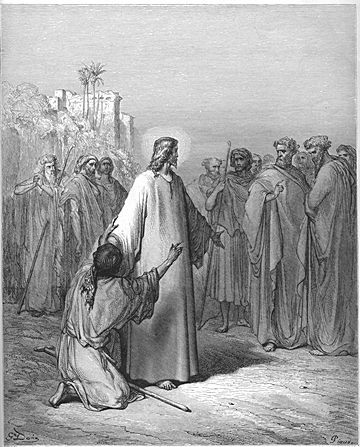
25 As soon as a woman whose little daughter had an evil spirit heard about him, she came and fell at his feet.
Ecen harçaz ençunic emaztebatec, ceinen alabatchoac baitzuen spiritu satsua, ethorriric egotz ceçan bere buruä haren oinetara,
26 The woman was Greek, born in Syrophoenicia. She begged Jesus to drive out the demon from her daughter.
(Eta emaztea cen Grec, nationez Syrophenissiana) eta othoitz eguiten ceraucan campora egotz leçan deabrua haren alabaganic.
27 “First let the children eat until they're full,” Jesus replied. “It's not right to take the children's food and throw it to the dogs.”
Eta Iesusec erran cieçón, Vtzan behin haourrac ressasia ditecen: ecen eztun gauça bidezcoa haourrén oguiaren hartzea, eta chakurrey egoiztea.
28 “True, sir,” she said, “but even the dogs under the table eat the scraps the children leave.”
Eta harc ihardets ceçan, eta erran cieçón, Hala duc Iauna: badaric-ere chakurréc iaten dié mahain azpian haourrén appurretaric.
29 Jesus told her, “For such an answer you may go—the demon has left your daughter.”
Orduan erran cieçón, Hitz horrengatic ohá, ilki dun deabrua hire alabaganic.
30 She went home and found the child lying on the bed, the demon gone.
Eta ioan içan cenean bere etchera, eriden ceçan deabrua ilki cela, eta alabá ohe gainean cetzala.
31 Leaving the region of Tyre, Jesus passed through Sidon and then on to the Sea of Galilee and the territory of the Ten Cities.
Guero partituric Tyreco eta Sidongo quoarteretaric, ethor cedin Galileaco itsassora, Decapolisco comarquén arteaz.
32 There they brought him a deaf man who also could not speak properly. They asked Jesus to touch the man with his hand and heal him.
Orduan presentatzen draucate gor nequez minço cembat, eta othoitz eguiten escua gainean eçar lieçón.
33 After Jesus took him aside from the crowd, Jesus put his fingers in the deaf man's ears. Then he touched the man's tongue with spit.
Eta hura gendetzetic appart harturic, eçar citzan bere erhiac haren beharrietan: eta thu eguinic, hunqui ceçan haren mihia.
34 Jesus looked up to heaven and with a sigh he said, “Ephphatha,” which means, “Open!”
Guero cerurat beguiac altchaturic suspirio eguin ceçan, eta erran cieçón Ephphata, erran nahi baita, Irequi adi.
35 The man's ears were opened, his speech impediment was gone, and he began speaking properly.
Eta bertan irequi citecen haren beharriac, eta lacha cedin haren mihico etchequidurá, eta minço cen claroqui.
36 Jesus gave them strict orders not to tell anyone, but the more he said this, the more they spread the news.
Eta mana citzan nehori ezlerroten: baina cembat-ere harc defenda baitziecén, vnguiz guehiago publicatzen çutén.
37 They were totally amazed and said, “Everything he does is marvelous. He even makes the deaf hear, and the dumb speak.”
Eta guciz miraculu esten çutén, cioitela, Vngui gauça guciac eguin ditu: gorrey ençun eraciten draue, eta mutuac minça eraciten ditu.